

Landscape edging creates a clear boundary between lawn, planting beds, paths, gravel, and other outdoor surfaces. The right border can keep mulch and soil in place, make mowing easier, and give a garden a more intentional finish. For California property owners, the best choice depends on the design, soil, drainage, plants, and amount of maintenance the space will receive.
Ready to get started? Call California Landscaping DP at +1 929 766 2333 or request a free consultation.
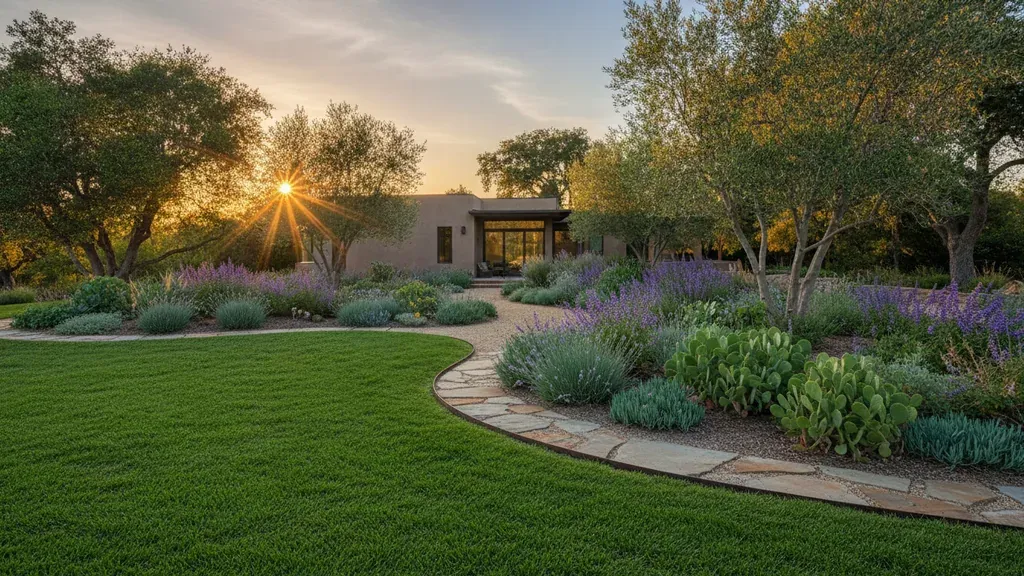
What is landscape edging?
Landscape edging is a physical border installed where two outdoor surfaces meet. Common examples include a strip between turf and a flower bed, a border along a walkway, or a restraint around gravel and mulch. Edging may be made from metal, plastic, wood, concrete, brick, stone, or other landscape materials.
Edging is both a design element and a practical landscape detail. A well-planned border can visually organize the property, reduce the spread of loose material, and create a consistent mowing or trimming line. It does not replace sound grading, drainage, irrigation, or soil preparation. Those systems should be considered together so the border does not trap water or create a trip hazard.
How to choose the right landscape edging material
Start with the job the border must perform, then compare appearance, durability, installation method, and upkeep. A low border may be appropriate for a planting bed, while a raised or more substantial edge may be better beside a path or where it must contain gravel.
| Material | Good fit | Main considerations |
|---|---|---|
| Metal | Clean curves, modern beds, and crisp lawn borders | Strong visual line; edges and fasteners need careful placement and protection from damage |
| Plastic or composite | Flexible curves and straightforward garden-bed borders | Lightweight and adaptable; quality and resistance to movement vary by product |
| Wood | Informal, natural, or rustic garden designs | Can complement planting areas; moisture, soil contact, and decay affect service life |
| Brick or pavers | Traditional borders, walkways, and structured beds | Creates a substantial finish; requires a stable base and accurate leveling |
| Natural stone | Rock gardens, planting beds, and landscape designs using natural materials | Offers varied texture; pieces may need careful fitting and a well-prepared base |
| Poured or precast concrete | Permanent lines and larger hardscape transitions | Durable and visually defined; planning, forming, and installation are more involved |
There is no single best landscape edging for every property. Metal can suit a restrained contemporary line, while stone or brick may connect better with an established hardscape. Flexible edging can follow curves, but it still needs enough support to stay aligned. When a border is expected to contain gravel, protect a walkway, or handle frequent maintenance traffic, select a material and profile that match that function rather than choosing by appearance alone.
Landscape edging ideas for different outdoor areas
Lawn and planting bed borders
A simple, continuous line between turf and a planting bed is one of the most useful edging applications. Keep the border smooth enough for mowing and trimming, and avoid tight corners that collect clippings or make equipment difficult to maneuver. Curves can soften a formal layout, while straight lines often work well with geometric beds and paths.
Pathway and patio transitions
Edging along a path can frame the route and help separate paving from adjacent soil or groundcover. The top of the border should be stable and positioned so it does not become a toe-catching ridge. If the edge is beside a patio or walkway, account for the finished surface height, slope, and water flow before installation.
Gravel and mulch containment
Loose gravel and mulch can migrate into turf or onto paths when a bed has no defined restraint. An edge can reduce that movement, but it must be installed at a practical height and supported against pressure from foot traffic, rain, and routine maintenance. A border also makes it easier to refresh the bed without spreading material across the lawn.
Vegetable and ornamental gardens
Garden edging can give planting areas a clean outline and make the transition from soil to lawn easier to manage. Choose materials that fit the intended use and keep the border clear of sharp exposed ends. Where plants need regular access, leave enough working room for weeding, pruning, and irrigation checks.
For broader garden layout inspiration, explore California Landscaping DP’s creative garden layouts and review the company’s project gallery for examples of outdoor design details.
Plan for drainage before installing edging
Landscape edging should define a space without blocking the path water needs to follow. Before digging, observe where runoff travels during irrigation or rain, look for low spots, and note nearby downspouts, drains, paving, and slopes. A border installed across a natural drainage path can hold water against a bed or send runoff toward a foundation, walkway, or planting area that cannot handle it.
University of California guidance on landscape design and water quality emphasizes how landscape layout, irrigation, soil, and runoff interact. Its garden drainage guidance also provides practical background on identifying and correcting drainage problems. Use these resources as general planning references, then address site-specific grading and drainage questions before construction.
Do not use edging to solve a grading problem by itself. If water stands in a bed, flows across a path, or erodes soil, the solution may involve adjusting slope, improving soil, redirecting water, adding a drain, or changing the planting and hardscape plan. A landscaping professional can review the complete outdoor layout so the border supports, rather than undermines, drainage.
Have questions about material selection or drainage? California Landscaping DP can help with landscape planning, installation, and ongoing maintenance. Call +1 929 766 2333 for guidance.
How to install landscape edging
Installation varies by material, but the planning sequence is similar. For a small, accessible border, a property owner may be able to complete the work with ordinary landscaping tools. Larger borders, complex curves, hardscape transitions, buried utilities, or drainage concerns are better reviewed and installed by a professional.
- Mark the layout: Use a hose, rope, or marking paint to test the shape before digging. Walk the line from several angles and check how it relates to doors, paths, mature plants, and mowing routes.
- Check the site: Identify irrigation lines, utilities, roots, slopes, and drainage paths. Confirm the border will not create a sharp height change or redirect water where it does not belong.
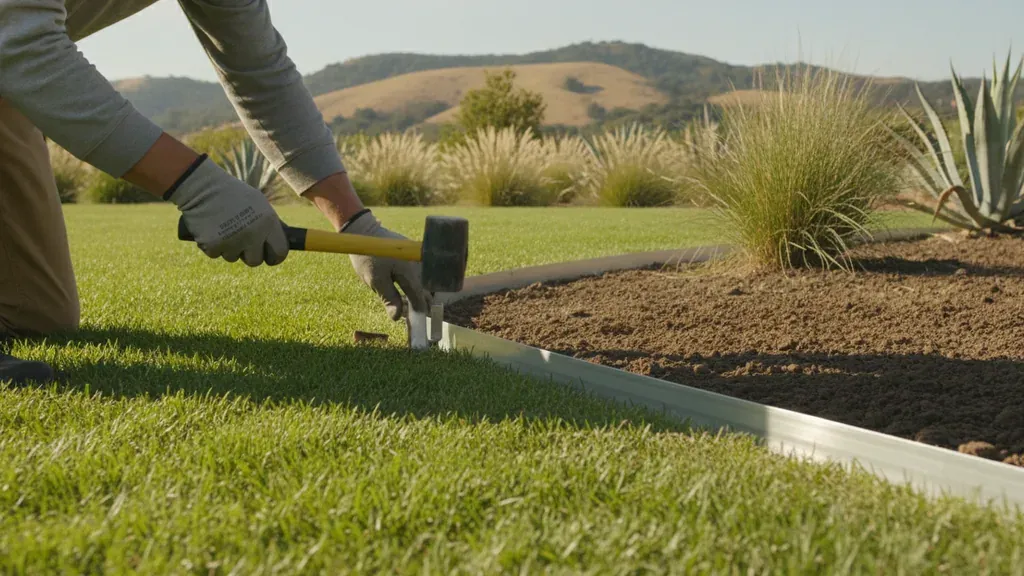
- Prepare the trench or base: Cut a consistent line and remove enough soil for the selected edge. Brick, pavers, and stone typically need a firm, level base, while flexible products need a trench that lets the top finish at a consistent height.
- Set the material: Join sections securely, follow the intended curve, and use stakes or other approved supports where required. Keep joins tight and avoid exposed fasteners, sharp ends, or unstable pieces.
- Backfill and compact: Return soil on both sides, fill gaps, and compact in layers. A border that looks aligned before backfilling can shift if one side is left loose.
- Check the finished line: Confirm the edge is stable, the surface transition is safe, and water can move as planned. Trim or mow nearby areas only after the installation is secure.
Common landscape edging mistakes to avoid
- Choosing a material before defining the job: A decorative edge may not contain gravel or withstand equipment contact.
- Installing a border too high: A raised lip can interfere with mowing, collect water, or create a trip risk.
- Skipping the drainage check: A continuous edge can restrict runoff when it crosses a slope or low area.
- Making curves too tight: Sharp bends are difficult to install cleanly and may kink flexible products.
- Leaving the base loose: Soil that is not compacted can allow the material to tilt, spread, or settle unevenly.
- Ignoring future maintenance: Leave enough access for mowing, trimming, weeding, pruning, and irrigation inspection.
- Using edging to hide poor preparation: A border cannot correct unstable soil, failed grading, or a poorly planned hardscape transition.
Landscape edging maintenance
Inspect edging at least when you perform seasonal garden maintenance and after heavy rain or major landscape work. Look for sections that have lifted, shifted, cracked, rusted, rotted, or become exposed. Remove grass and weeds that grow across the line, but avoid damaging the border with a trimmer or mower.
Refresh mulch and gravel without burying the top of the edge or piling material against siding, gates, steps, or other structures. If soil settles beside a stone, brick, or concrete border, refill and compact the low area rather than forcing the material back into position. Metal and plastic edges may need replacement of individual sections or fasteners, while wood borders may require more frequent inspection where they contact wet soil.
For a broader upkeep plan, California Landscaping DP’s lawn and garden maintenance guide covers routine care considerations. The company’s landscaping services page also explains how design, installation, maintenance, garden care, and hardscaping can fit into a larger outdoor project.
When to hire a landscaping professional
Professional help is useful when the edging is part of a new landscape design, the site has drainage concerns, the border meets a driveway or walkway, the area contains established roots, or the installation covers a large or irregular space. A professional can help coordinate the border with grading, irrigation, plant selection, paths, patios, and maintenance access instead of treating it as an isolated decoration.
California Landscaping DP provides landscape planning, installation, maintenance, garden care, hardscaping, and related outdoor improvements. A project review can help clarify the desired look, material options, site conditions, and the level of ongoing care the finished space will need.
Contact California Landscaping DP at +1 929 766 2333 to learn more about landscape edging, or fill out the online form for a free estimate.
Key takeaways
- Choose landscape edging based on its function, site conditions, appearance, and maintenance needs.
- Plan the border with grading, drainage, irrigation, paths, and mowing access in mind.
- Prepare a stable trench or base, set the material consistently, and compact the backfill.
- Inspect the edge after heavy weather and during routine garden maintenance.
- Use a professional landscape plan when the border is part of a larger installation or a drainage-sensitive site.


